Testicular Cancer
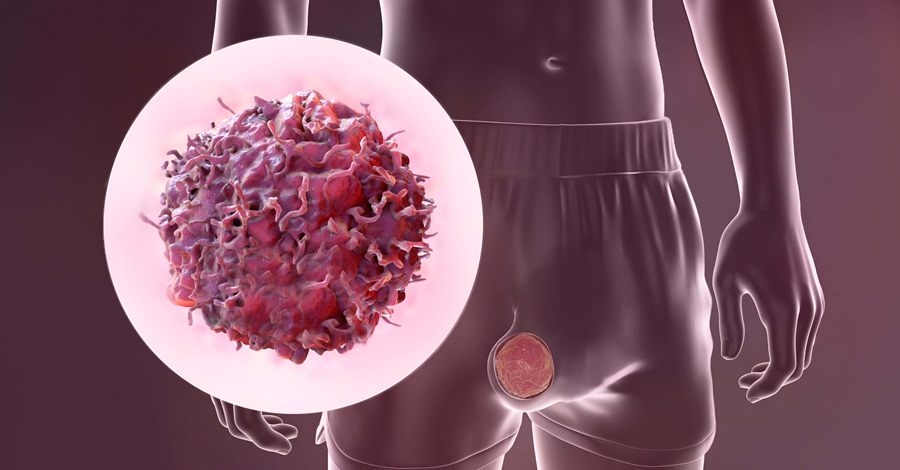
Testicular cancer is the most common cancer in young men aged 15–35, yet it is also one of the most treatable cancers when detected early. With high cure rates even in advanced stages, prompt diagnosis and expert management are essential.
Types of Testicular Cancer
- Seminoma – slow-growing, highly responsive to radiation and chemotherapy
- Non-Seminoma – includes embryonal carcinoma, teratoma, choriocarcinoma, and yolk sac tumour
- Mixed Germ Cell Tumours
- Stromal Tumours (Leydig cell, Sertoli cell) – rare
Signs & Symptoms
- Painless lump or swelling in one testicle
- Feeling of heaviness in the scrotum
- Dull ache in the lower abdomen or groin
- Sudden fluid collection in the scrotum
- Breast tenderness or growth (gynaecomastia)
Diagnosis
- Scrotal ultrasound – first-line imaging
- Tumour markers: AFP, beta-hCG, LDH
- CT scan of chest, abdomen, and pelvis for staging
- Radical orchiectomy (also serves as definitive diagnosis)
Treatment Options
Treatment is highly effective and tailored to tumour type and stage:
- Radical Orchiectomy – primary surgical treatment
- Surveillance – active monitoring for low-risk early-stage disease
- Radiation Therapy – for seminoma
- Chemotherapy (BEP regimen) – for advanced or non-seminomatous tumours
- Retroperitoneal Lymph Node Dissection (RPLND) – for residual disease
Fertility Considerations
We discuss sperm banking and fertility preservation options before initiating treatment, ensuring patients are fully informed about their reproductive future.