Adrenal Tumours
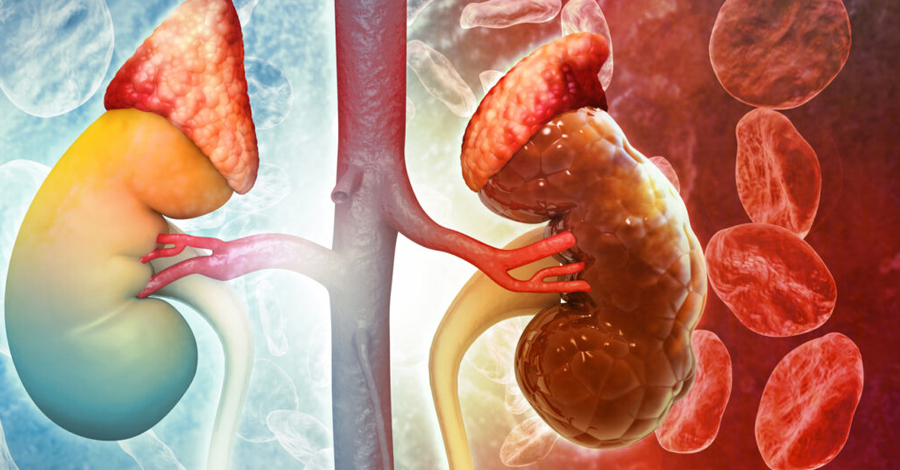
Adrenal tumours arise from the adrenal glands located above each kidney. They may be benign or malignant, functional (hormone-secreting) or non-functional. Accurate characterisation and timely management are critical to prevent hormonal complications and cancer progression.
Types of Adrenal Tumours
- Adrenocortical Adenoma – benign, most common adrenal tumour
- Adrenocortical Carcinoma (ACC) – rare but aggressive malignancy
- Phaeochromocytoma – tumour of the adrenal medulla secreting catecholamines
- Neuroblastoma – primarily in children
- Adrenal Metastases – secondary deposits from other cancers
- Adrenal Incidentaloma – incidentally discovered adrenal mass
Signs & Symptoms
Symptoms vary depending on whether the tumour is hormone-secreting:
- Hypertension (often difficult to control)
- Weight gain, particularly around the abdomen (Cushing's syndrome)
- Muscle weakness and fatigue
- Excessive sweating, palpitations, and headaches (phaeochromocytoma)
- Low potassium levels (Conn's syndrome / hyperaldosteronism)
- Abdominal or flank pain (large tumours)
Diagnosis
A multi-disciplinary approach is used for accurate diagnosis:
- CT and MRI adrenal protocol imaging
- Hormonal blood and urine tests (cortisol, aldosterone, catecholamines, DHEAS)
- Adrenal vein sampling for hyperaldosteronism
- PET scan for malignant or metastatic disease
- MIBG scan for phaeochromocytoma
Treatment Options
Treatment is guided by tumour type, size, hormonal activity, and malignancy risk:
- Laparoscopic Adrenalectomy – minimally invasive removal, gold standard for most adrenal tumours
- Robotic Adrenalectomy – for complex or large tumours
- Open Adrenalectomy – for large or malignant tumours requiring wider resection
- Medical Management – hormonal blockade prior to surgery (especially for phaeochromocytoma)
- Chemotherapy / Mitotane – for adrenocortical carcinoma
- Active Surveillance – for small, non-functional, benign-appearing incidentalomas
Multidisciplinary Care
Adrenal tumours often require collaboration between urology, endocrinology, and oncology. Our integrated team ensures every patient receives a comprehensive, coordinated treatment plan for the best possible outcome.