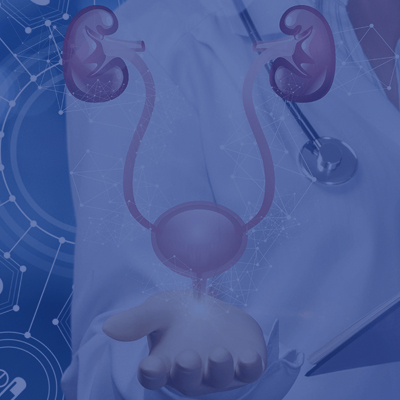
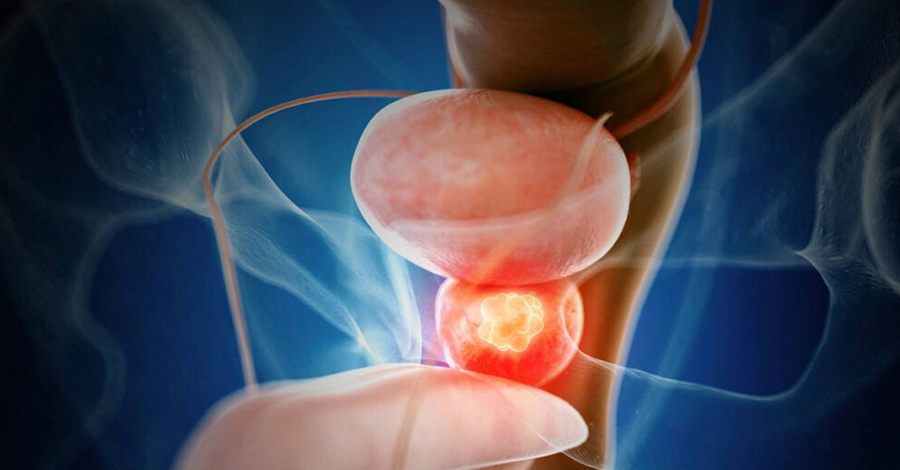
Prostate Cancer
Prostate cancer is the most common cancer in men and one of the leading causes of cancer-related mortality worldwide. When detected early, it is highly treatable with excellent long-term outcomes. Our team offers state-of-the-art diagnosis, staging, and personalised treatment for all stages of prostate cancer.
Understanding Prostate Cancer
The prostate is a small walnut-shaped gland in men that produces seminal fluid. Prostate cancer develops when cells in the prostate grow uncontrollably. It often grows slowly and may remain confined to the prostate gland, but some types are aggressive and can spread quickly.
Signs & Symptoms
Early prostate cancer often causes no symptoms. As it progresses, the following may appear:
- Difficulty starting or stopping urination
- Weak or interrupted urine flow
- Frequent urination, especially at night (nocturia)
- Blood in urine (hematuria) or semen
- Pain or burning during urination
- Erectile dysfunction
- Pain in the lower back, hips, or pelvis (advanced disease)
Risk Factors
- Age – risk increases significantly after 50
- Family history of prostate or breast cancer
- BRCA1/BRCA2 gene mutations
- African or Caribbean ethnicity
- High-fat diet and obesity
Diagnosis & Staging
Accurate diagnosis and staging are essential to guide treatment decisions:
- PSA Blood Test – Prostate-Specific Antigen screening
- Digital Rectal Examination (DRE) – physical assessment of the prostate
- Multiparametric MRI (mpMRI) – detailed imaging before biopsy
- Transperineal or Transrectal Biopsy – tissue sampling for Gleason grading
- Bone Scan & CT/PET Scan – for staging and detecting metastases
Treatment Options
Treatment is tailored to the cancer's stage, grade, and the patient's overall health and preferences:
- Active Surveillance – close monitoring for low-risk, slow-growing cancer
- Radical Prostatectomy – surgical removal of the prostate (open, laparoscopic, or robotic-assisted)
- Radiation Therapy – external beam radiotherapy (EBRT) or brachytherapy
- Hormone Therapy (ADT) – androgen deprivation to slow cancer growth
- Chemotherapy – for metastatic or castration-resistant prostate cancer
- Focal Therapy – HIFU or cryotherapy for localised disease
- Targeted Therapy & Immunotherapy – for advanced or recurrent disease
Robotic-Assisted Prostatectomy
We specialise in robotic-assisted radical prostatectomy, offering patients the benefits of a minimally invasive approach including reduced blood loss, shorter hospital stay, faster recovery, and better preservation of urinary and sexual function.
Why Early Detection Matters
Prostate cancer detected at an early, localised stage has a near 100% five-year survival rate. Regular PSA screening and prompt evaluation of symptoms are key to catching the disease before it spreads.
Follow-Up & Long-Term Care
After treatment, we provide structured follow-up with PSA monitoring, imaging, and supportive care to manage side effects and detect any recurrence at the earliest opportunity.