
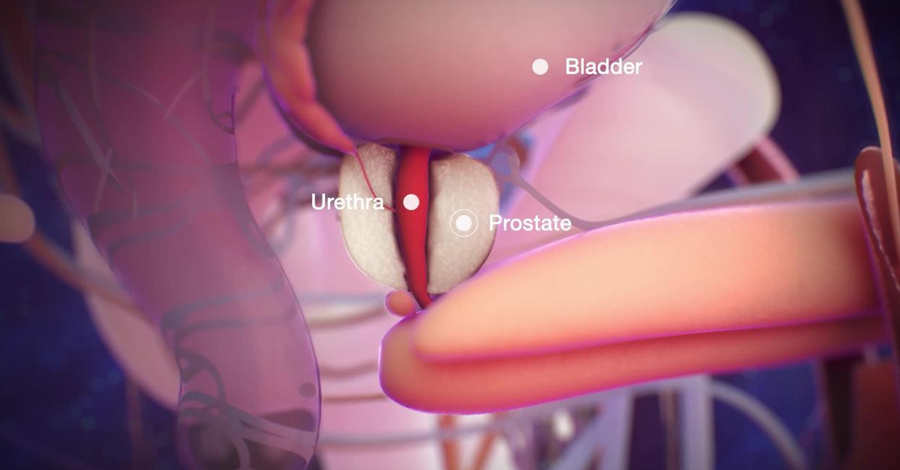
Benign Prostatic Hyperplasia (BPH)
Benign Prostatic Hyperplasia (BPH) is a non-cancerous enlargement of the prostate gland that commonly affects men as they age. Our BPH Management service provides expert evaluation and a range of treatment options to restore normal urinary function and improve quality of life.
Common Symptoms of BPH
- Weak or slow urinary stream
- Difficulty starting urination
- Frequent urination, especially at night (nocturia)
- Urgency to urinate
- Incomplete bladder emptying
- Dribbling at the end of urination
- Urinary retention in severe cases
Diagnostic Evaluation
- International Prostate Symptom Score (IPSS) assessment
- Digital rectal examination (DRE)
- PSA (Prostate-Specific Antigen) blood test
- Uroflowmetry to measure urine flow rate
- Post-void residual urine measurement
- Transrectal ultrasound (TRUS) for prostate sizing
Treatment Options
We offer a stepwise approach based on symptom severity:
- Watchful waiting with lifestyle modifications for mild symptoms
- Alpha-blockers and 5-alpha reductase inhibitors (medications)
- Combination medical therapy
- Minimally invasive procedures (UroLift, Rezum water vapor therapy)
- Transurethral Resection of the Prostate (TURP)
- Laser prostatectomy (HoLEP, GreenLight)
- Robotic-assisted simple prostatectomy for very large prostates
Why Timely Treatment Matters
- Prevents urinary retention and bladder damage
- Reduces risk of recurrent UTIs
- Protects kidney function
- Significantly improves quality of life